
Naturally, broadcasters produce ample amounts of content. But, after this content is released to the public, what happens to it? And, where does it go? Broadcasters archive their content to preserve and protect it for future generations. However, as technology changes, so do the formats broadcasters use to preserve their content.
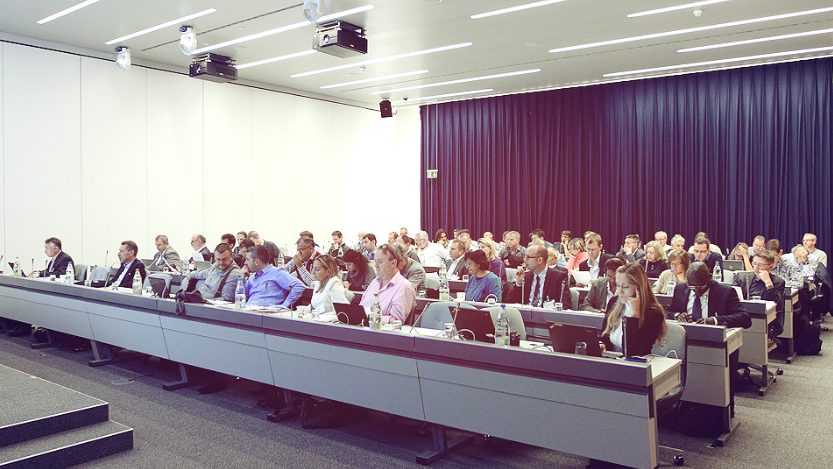
Over the last two days, around 75 users and vendors joined the EBU in Geneva to discuss best practice for archiving and come to a better understanding of the challenges broadcasters face when it comes to improving and maintaining their audiovisual archives.
Participants discussed the value of archives, the associated costs and challenges with restoration. Thanks to Radka Becheva, EBU, the workshop was supported by the EBU Partnership Programme, which brought eight archive experts from the Balkans region. They actively participated in the sessions and presented.
Participants also had the opportunity to participate in eight rounds of ‘speed-dating’ with different vendors to become better acquainted with leading product providers in the archiving domain.
During the vendor views panel, a key issue for broadcasters arose: single-vendor dependency when it comes to playing back legacy (videotape) formats. Since file wrappers have taken the place of physical media, several speakers emphasized the importance of working with open standards to avoid costly surprises in the future. The chances of success for the new AXF specification were also discussed, with Dr. Hans Hoffmann, EBU, explaining that AXF has been standardized by SMPTE. This will increase the investment security for users, but the jury is still out on the relevance of the specification. The EBU may need to evaluate to recommend this and other formats in the near future.