

How should broadcasters prepare for the media world in 2020? This matter was discussed at length by the EBU Technical Assembly (TA) held in Prague (12 to 13 June). One of the starting points for the discussion was the EBU’s Vision2020 project, which identified a number of important industry trends, such as the personalisation of the media experience and the rapid growth in the use of tablets for in home entertainment.
The results of that study suggested EBU Members should increasingly focus on innovation, audience understanding, interaction and serving young people. For Member broadcasters, this means that amongst other things, there is a need for developing more flexible, interoperable facilities and making the organisation more agile. Concerning Media Technology & Innovation, the Vision2020 findings strongly encourage an increased focus on influencing the market (ie via standardisation work), on enabling agile collaboration using new tools (such as ebu.io), and on disseminating to Members how they are impacted by technical developments. A special EBU Technical Committee taskforce will now work on the implementation of these recommendations.
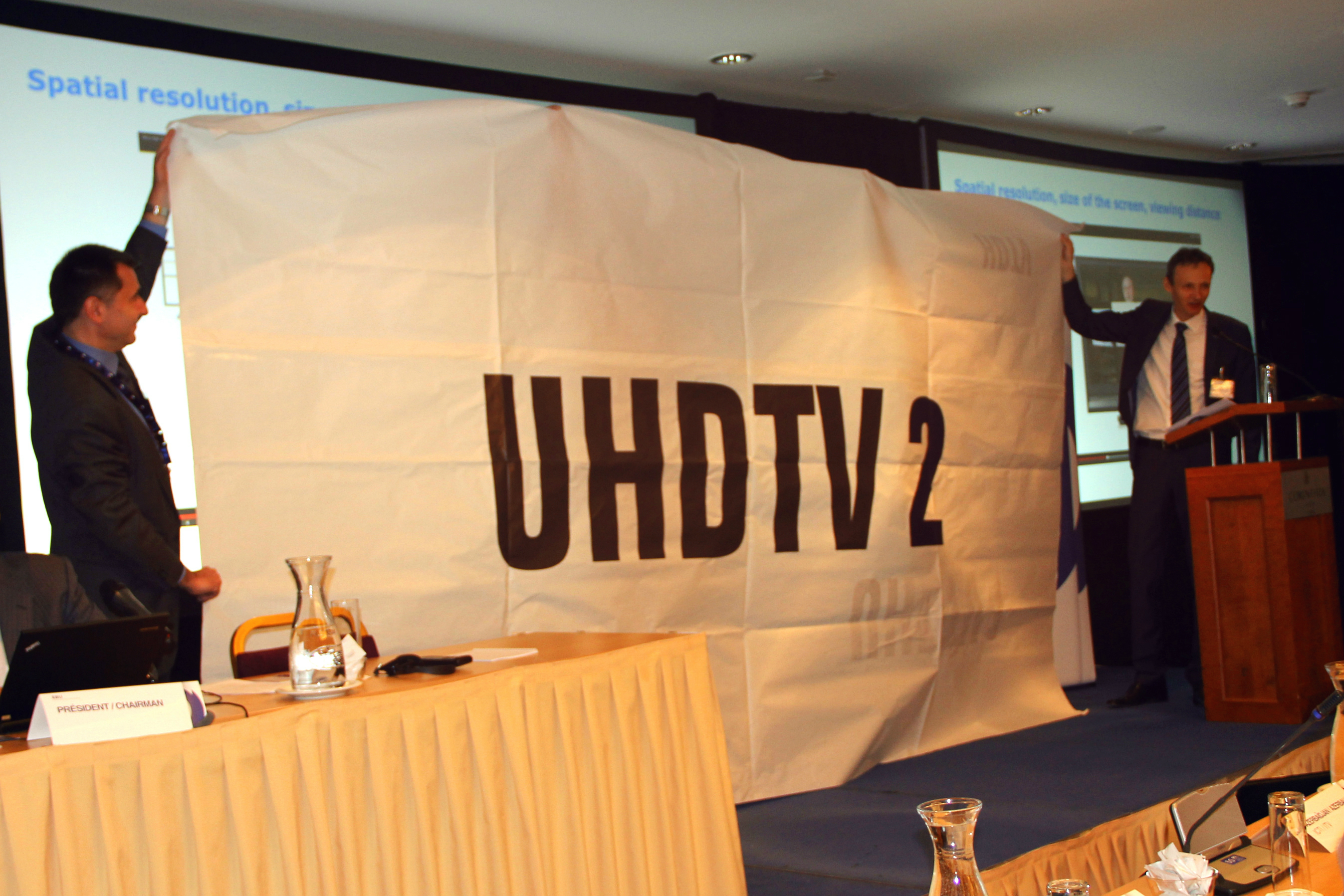
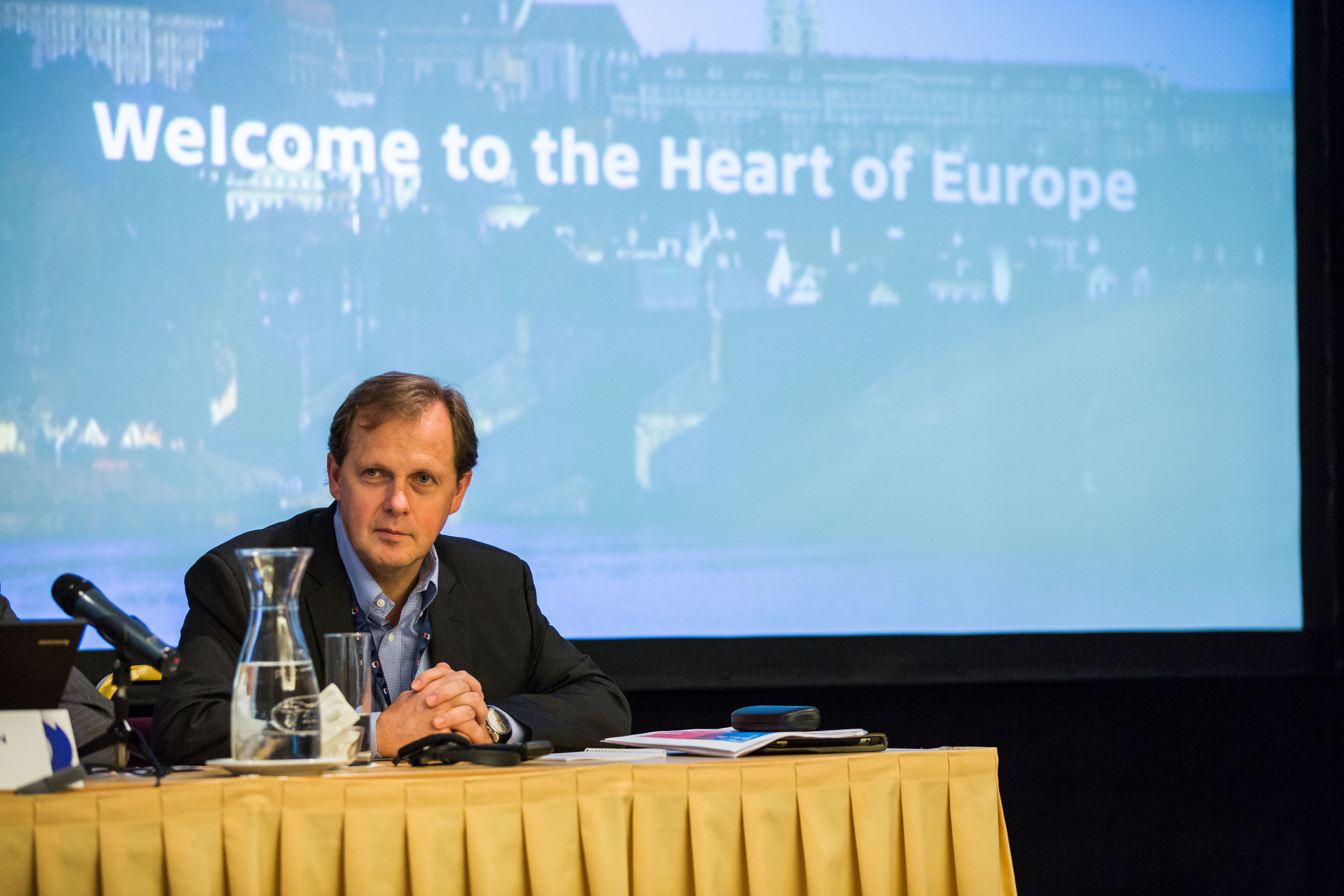

Czech Television DG Petr Dvorak welcomes the participants to Prague.
Photos: copyright Jan Renelt Czech TV 2014
Several presentations at the Technical Assembly illustrated the challenges broadcasters face and how to overcome them. Andy Quested, BBC's Head of Technology - HD & UHDTV, showed how the UK public broadcaster has changed the way it recruits new technical staff. Dieter Boen, VRT’s Manager Research & Innovation, shared his company's agile ‘learn - make – test’ development cycle, which encourages fast prototyping. This development approach was used for the creation of the Belgium Stievie service, which is a state-of-the-art, shared, video platform used by Belgium’s public and commercial broadcasters. The VRT model is a good example of the 'compete on content, cooperate on technology' approach, which also forms the basis for much of the technical work done at the EBU. More examples and all other presentations are available via the TA 2014 page.