

The higher the horizontal and vertical resolution of an HDTV image, the better its quality. Right? - Wrong! As past years have shown, discussions on the comparative quality of HDTV formats can become quite emotional, and sometimes even irrational. With help from the IRT in Munich, the EBU has now published a short information paper to try to remove some of the more persistent misunderstandings of 1080i vs 720p.
| It's not only size that matters
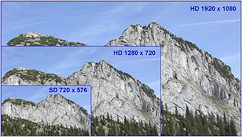
As most professionals know by now, it is not only the size of the picture (the number of 'pixels') that counts as far as quality is concerned; the scanning method (progressive or interlaced) cannot be ignored either. As anyone who regularly reads the consumer HD Forums knows, this message is by no means universally understood. That is not due to consumers lacking knowledge alone, it is also a result of poor marketing, which finds it much simpler to 'sell the larger number' (1080).
|  |
Why it is important
The problem with the persistence of such misunderstandings is that discussion, and thus also decision making, takes place on the wrong grounds. Given the importance of the choice of a video format for a broadcaster, consequences of a mistake can impact for many years, if not for decades. Therefore the EBU decided to publish an additional document on this topic. If it tells you nothing new, that's probably good news. If you do learn from it, then so much the better. Whatever format you use in the end, EBU Tech Report 005 may help you understand its merits and drawbacks.