
Frans de Jong (EBU)
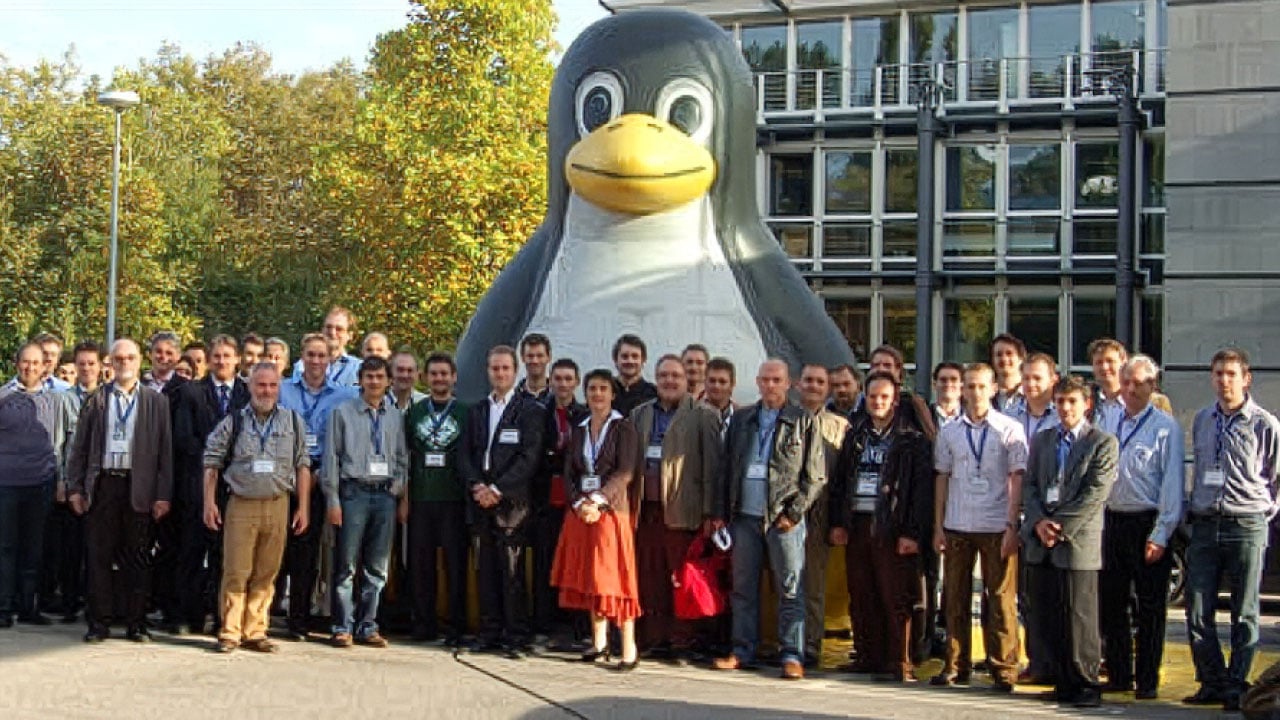
In 2007, Linux’s iconic penguin mascot, Tux, made its first appearance at the EBU, thanks to the curiosity of passionate engineers who questioned why open source wasn’t more widely used by broadcasters. This initial spark led to the EBU’s first Open Source Seminar, focusing primarily on open-source applications for media organizations. At the time, much of the industry’s focus was on audio applications, although BBC had already demonstrated a compelling proof of concept for file-based video production. For the EBU, this marked the beginning of what could be termed our own open-source hype cycle.
Over the decade that followed, the EBU played a key role in organizing and participating in numerous open-source initiatives, including major events like EBU DevCon, FOSDEM, EBU RadioHack, and the widely recognized open-source meetups held annually at the IBC tradeshow in Amsterdam. The EBU also began supporting collaborative projects, establishing repositories like the EBU GitHub and git.ebu.io, and running projects such as the development of a cross-platform authentication protocol, tools to manage RadioDNS metadata and visual radio content, and the PEACH recommendation engine. For broadcasters, open-source principles became not just a framework for public-facing projects but also an effective method for internal collaboration, as reflected in the growing emphasis on inner-sourcing within organizations.
However, it became increasingly clear that open source was not a cure-all solution. Practical concerns about maintenance and support often emerged as barriers to broader adoption, whether justified or not. Geographical and organizational boundaries also complicated collaboration efforts – why work on a joint project if your boss asks you to prioritize in-house goals? Projects ended, people moved on, and the initial enthusiasm for open source began to wane. Focus shifted to other themes, and organizations did not necessarily see the need for in-depth control of their own infrastructure.
Yet, open source experienced a resurgence. Its role in standards development proved particularly valuable, notably in the evolution of IP infrastructure based around the SMPTE ST 2110 standards. The EBU’s Live IP Software Toolkit – LIST – demonstrated how open source accelerates development, promotes new technologies, and fosters education simultaneously. This momentum carried forward into new projects that either began directly after a specification was created (e.g., the OGraf spec for cross-platform graphics) or embraced the emerging ‘code before spec’ approach exemplified by the Media eXchange Layer (MXL) hosted by the Linux Foundation. The choice to collaborate through the Linux Foundation was deliberate, as it enabled open-source projects to benefit from collaborative culture, rapid iteration, and development expertise.
From idealism to realism
Recently, the concept of sovereignty has taken centre stage, reflecting a shift from idealism to realism. Independent media organizations increasingly recognize the critical importance of maintaining control over their infrastructure. This renewed awareness aligns with broadcasters investing in their own development teams, embracing open source as a mainstream choice, and leveraging it as a proven way to innovate, ensure interoperability, and mitigate political risks. France Télévisions highlighted this approach during its presentation at the EBU Network Technology Seminar 2025, where it expressed a clear preference for open-source solutions as part of its strategy.
To support broadcasters in identifying open-source solutions, the EBU has maintained the Awesome Broadcasting list for many years. It’s a comprehensive collection of open-source software projects relevant to the media industry. In future editions of tech-i magazine, we will explore some of these projects in more detail, focusing on those shaping the future of open source in media.
This article first appeared in the March 2026 issue of tech-i magazine.