Is the football industry moving fast enough toward a greener future? While many clubs are motivated, transitioning to sustainable energy requires more than isolated efforts—it requires a unified industry strategy.
Join our upcoming event, designed for sustainability leaders, club executives, and media professionals, as we tackle the logistics of reducing football’s carbon footprint. We break the challenge into two crucial, actionable parts:
Part 1: The Industry Strategy – Smarter Energy. We’ll discuss the structural challenge of moving stadiums, broadcasters, and federations toward renewable energy. Learn why a unified policy approach is essential to manage the sport's many "moving parts".
Part 2: The Power of Communication – Influencing Fans. Shift from infrastructure to influence. Discover how "the talent" high-profile personalities can bridge the gap to supporters. We’ll share proven communication strategies that actually work to deliver environmental messages to your audience.
Speakers & Moderators:
| Panel 1 | Reduction of Energy in Football |
 |
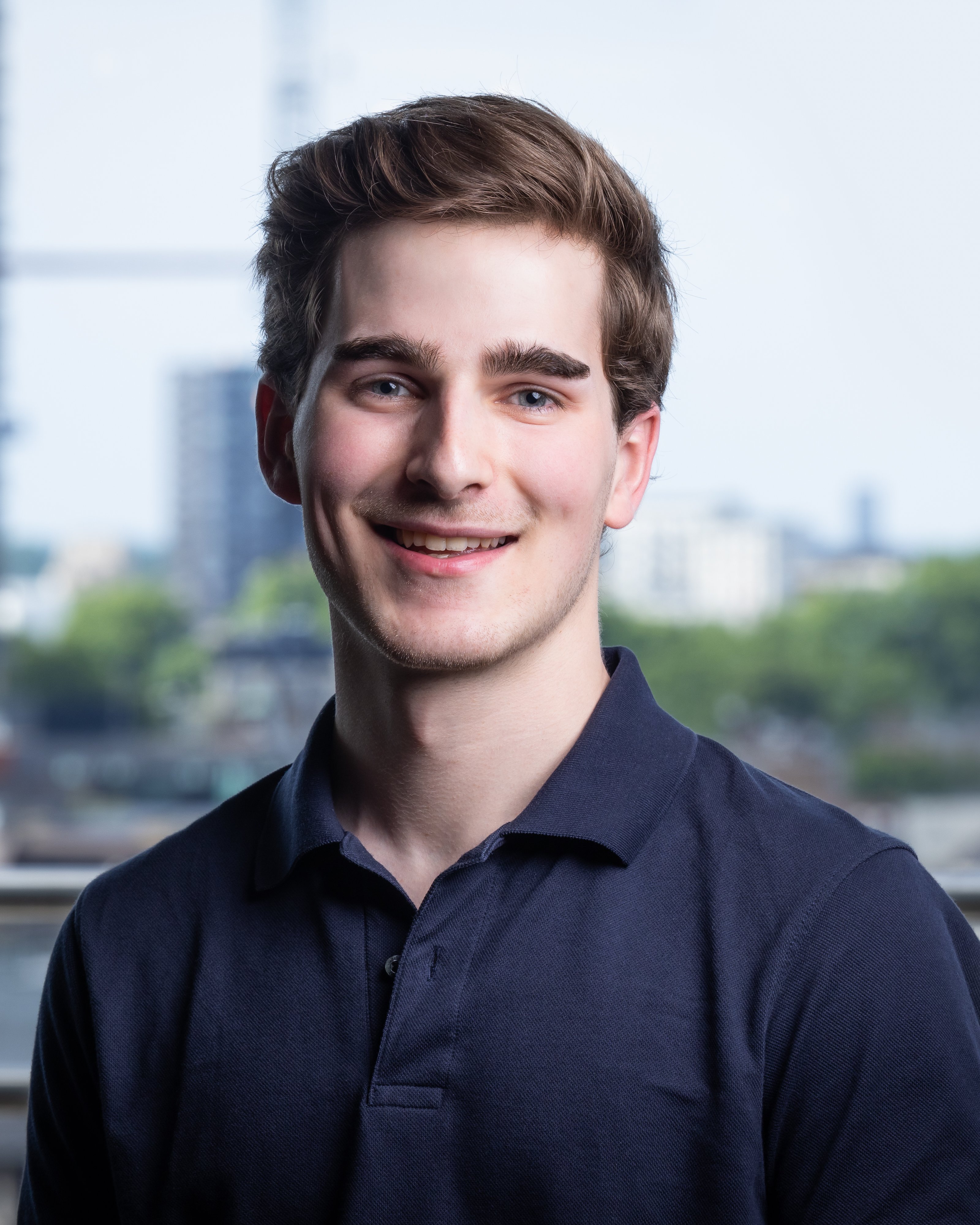
Moderator - Moritz Ladwig is a freelance media creative and engineer with special expertise in sustainability for media productions. He reached his masters degree in Stuttgart, Germany in 2021 and has worked for multiple outlets, some of them especially created for young audiences such as ‚funk'. After working for the Bundesliga media production he now set his mission to create better content to reach younger audiences while shaping the media landscape in a greener way.
|
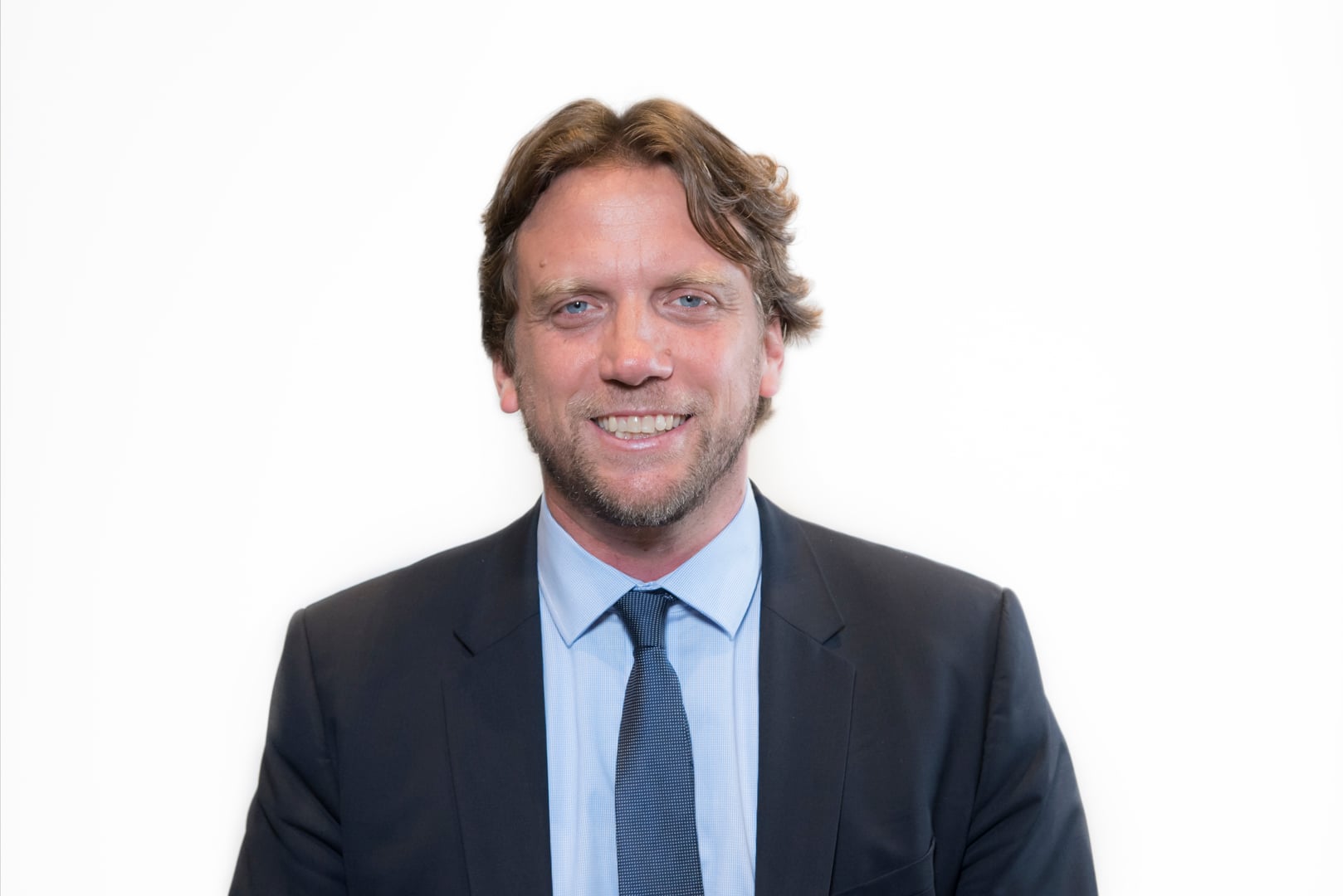 |
Filippo Veglio is Chief of Social & Environmental Sustainability at UEFA, European football’s governing body. He leads a team pursuing UEFA's mission of inspiring, activating and accelerating collective action across European football – with a particular focus on promoting social impact, respect for the environment and responsible management of events and infrastructure. The work is guided by the UEFA Football Sustainability Strategy 2030 and driven by a collaborative approach with member associations, stakeholders (leagues, clubs, sponsors, broadcasters, partners, etc.) and within the UEFA organisation.
|
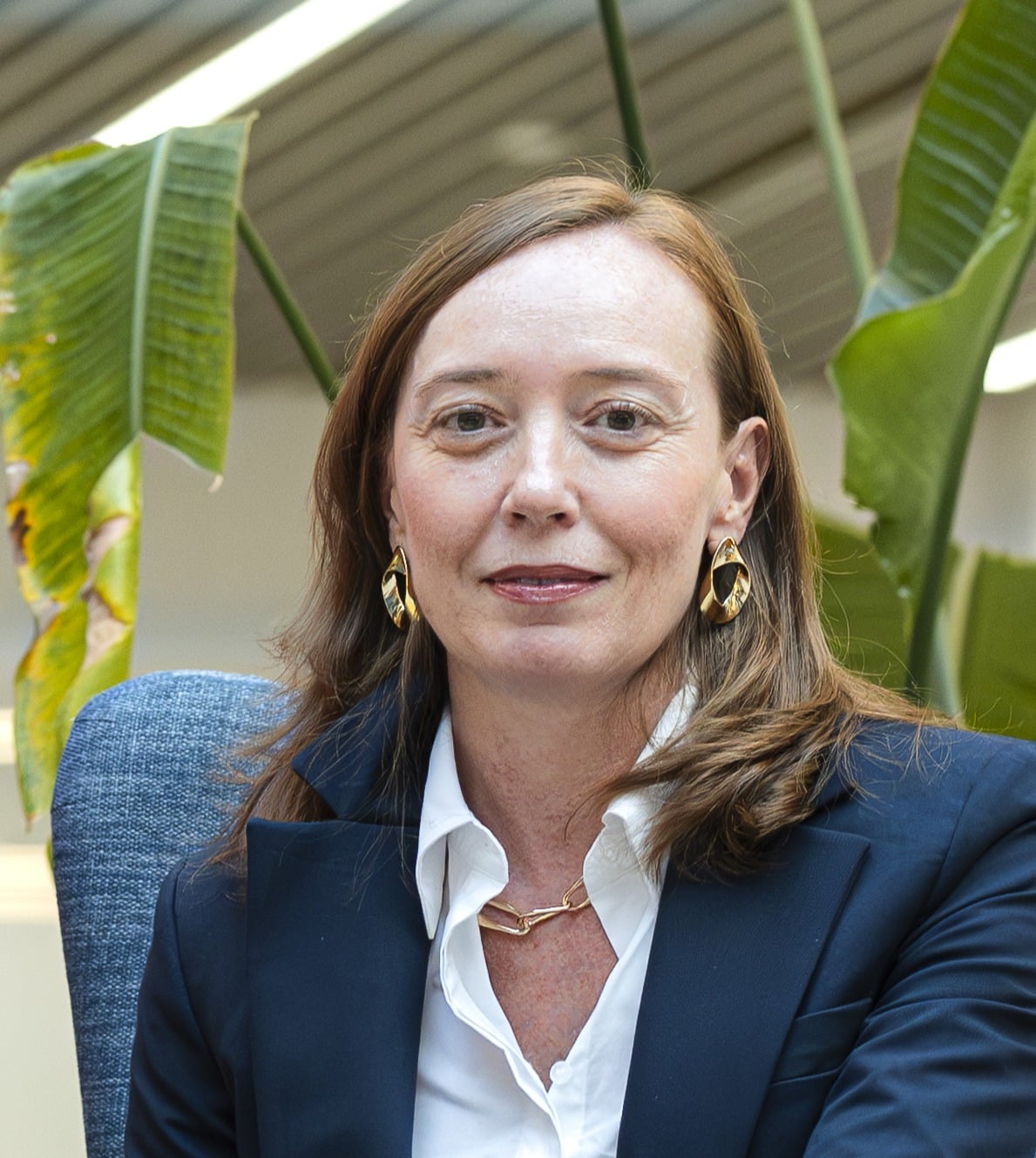 |
Rocío Torres is Head of Sustainability and Responsible Business at Club Atlético de Madrid, where she leads the club’s ESG strategy across operations, infrastructure, and community engagement. She oversees key initiatives in energy management and efficiency, focusing on reducing the environmental impact of football matches and large-scale events. Passionate about the role of sports as a driver of positive change, she promotes innovation, inclusion, and sustainable urban development. Rocío is an active contributor to international sustainability networks and a frequent speaker on the future of responsible sport.
|
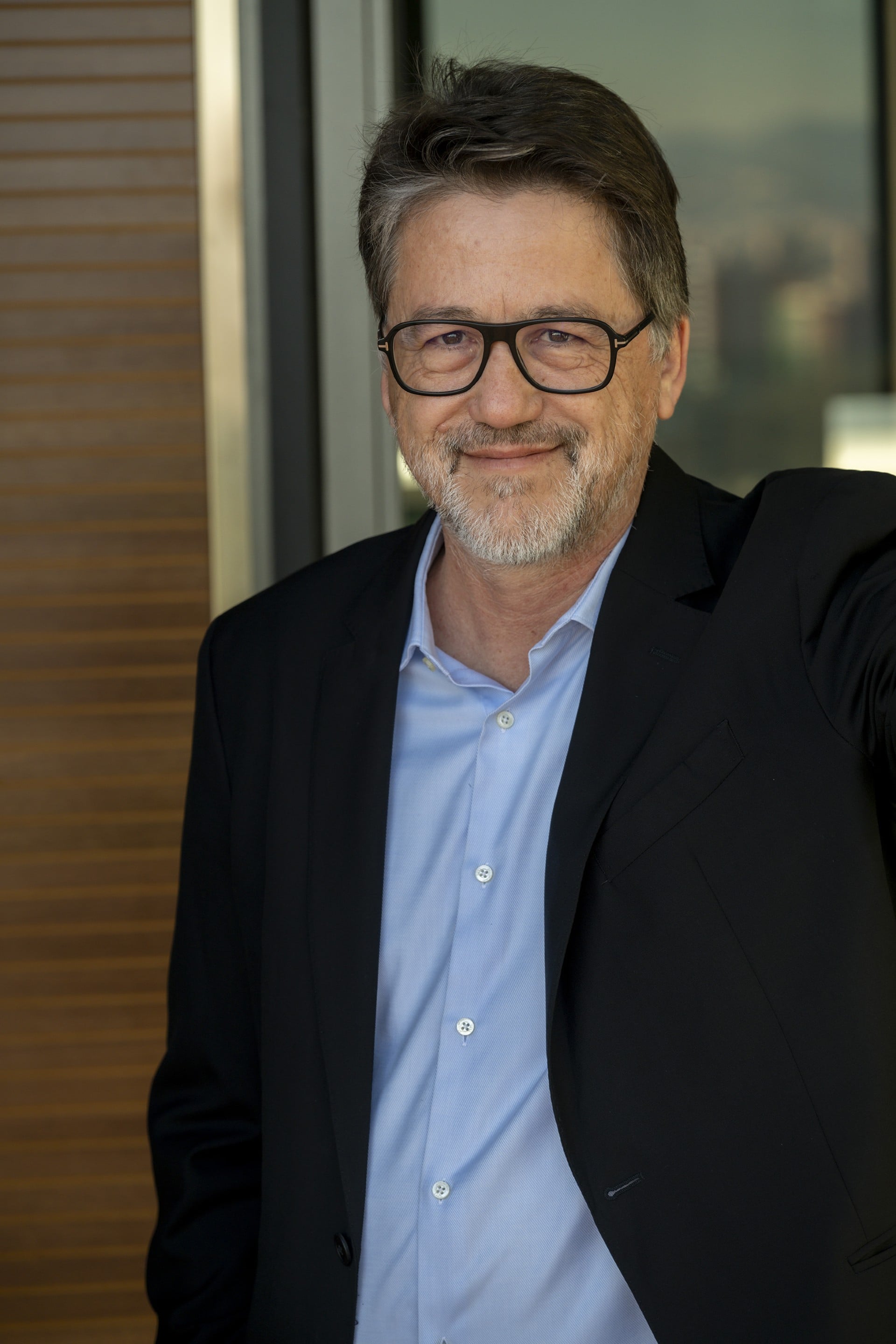 |
Emili Planas Quintana is a senior executive in the media and audiovisual sector, formerly served as a technology and operations leader at Grup Mediapro. He oversaw teams focused on innovation, broadcast engineering and digital transformation, driving the company’s strategy to deliver cutting-edge production and distribution capabilities across global markets. His work emphasized the adoption of advanced technologies, efficient workflows and sustainable operational models within the media industry.
|
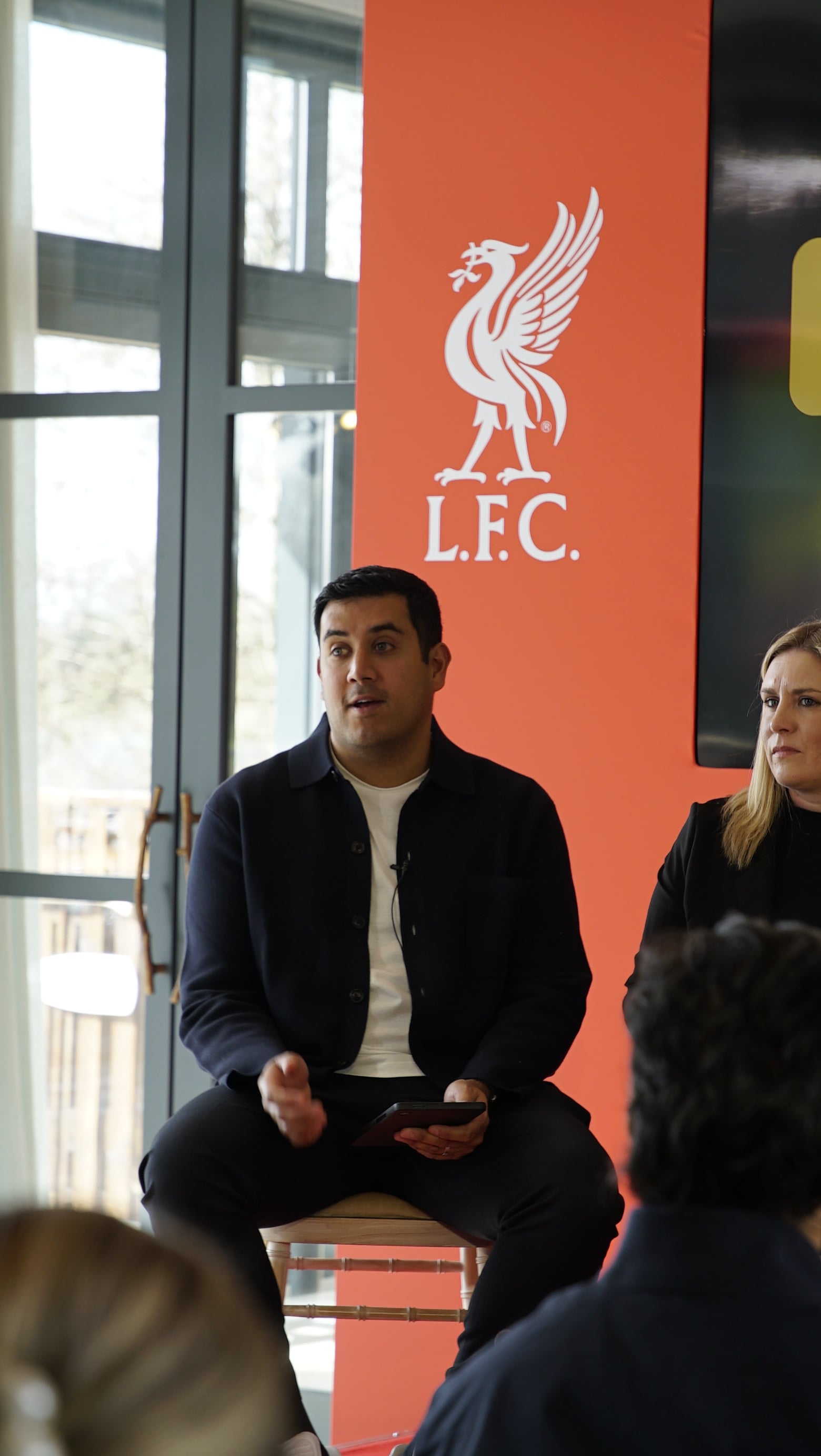 |
Rishi Jain is the Director of Impact at Liverpool FC, leading on the club’s efforts across its holistic approach to sustainability in order to build a better future for its people, planet and communities. Having worked in this industry for 20 years, he has an expert understanding of successfully integrating strategy and creating positive change. Rishi is a driving force and constantly strives for progress. Rishi previously worked at Manchester United, Kick It Out and The FA. |
|
Panel 2 |
Green Storytelling in Sports |
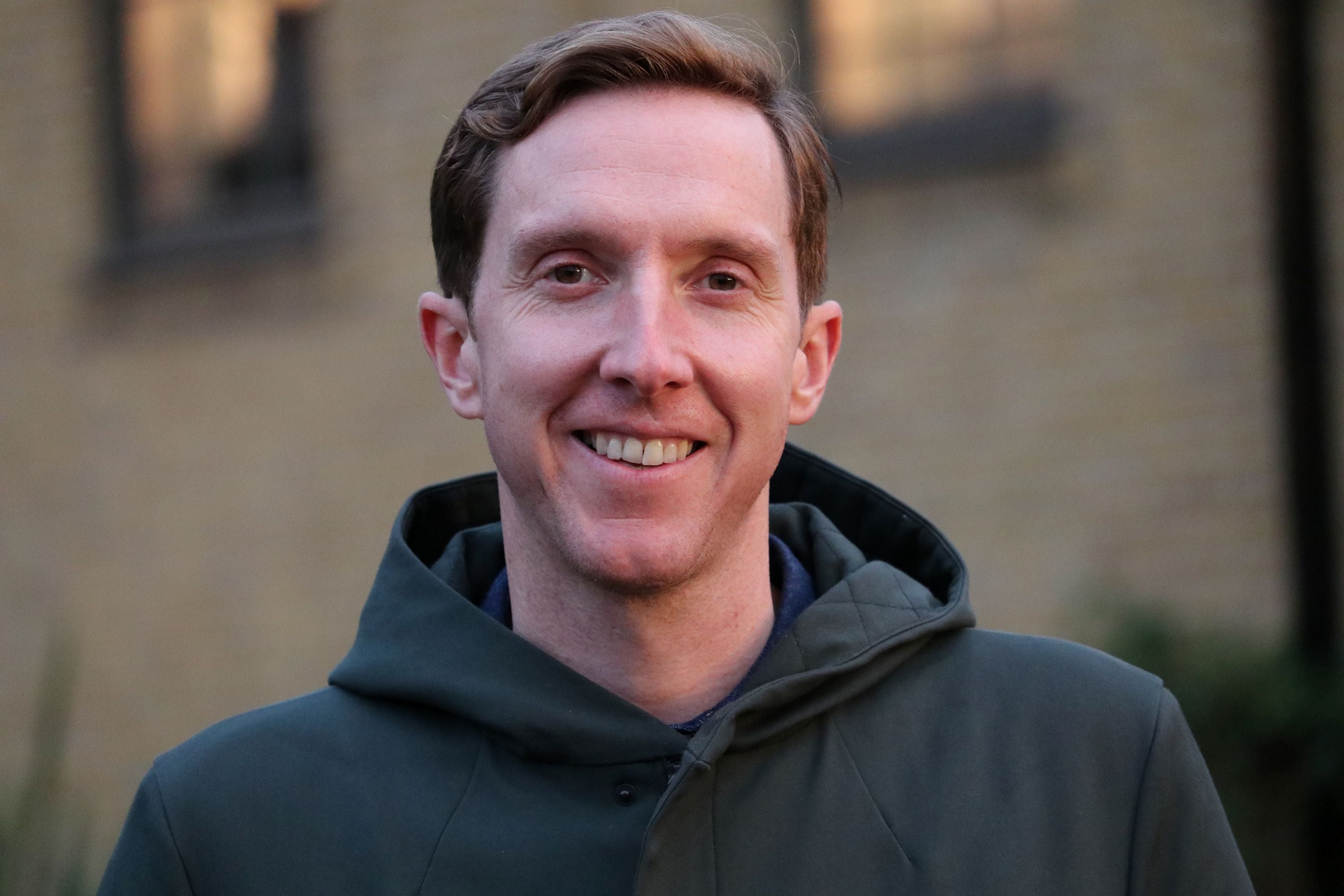 |
Moderator - Ben Barrett is a Sustainability Consultant working with global organisations, including the European Broadcasting Union (EBU), International Olympic Committee (IOC), and World Rugby, to advance climate action, nature-positive strategies, and responsible event delivery. His work focuses on implementing the Sports for Climate Action and Sports for Nature frameworks through governance, strategy development, stakeholder engagement, and impact measurement.
|
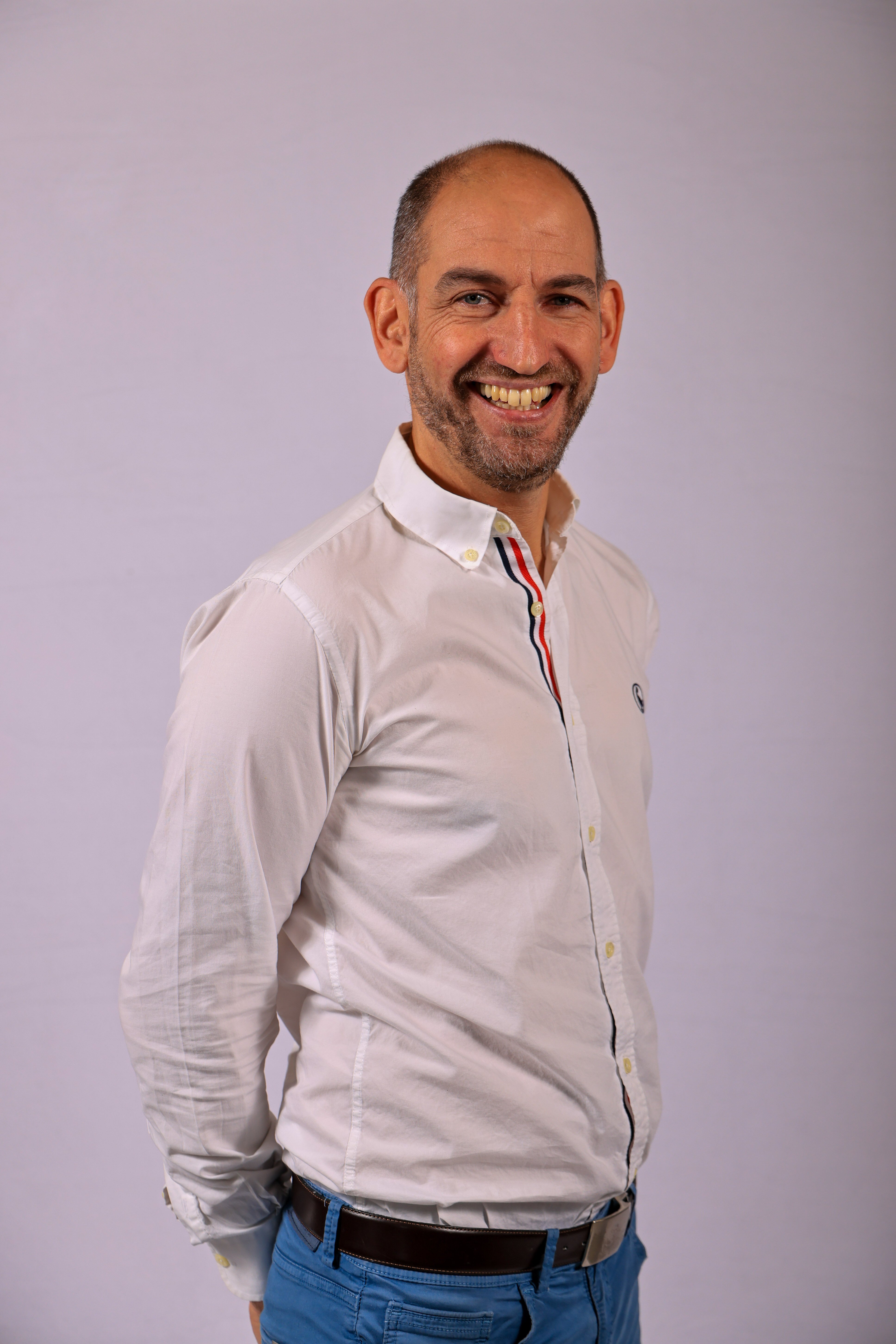 |
Romain Riboud is currently the CSR/Sustainability Manager at the French Ski Federation. He is a former Paralympic athlete: double silver medalist at the 2002 Paralympic Games, two-time world giant slalom champion (2000 and 2004), winner of the overall World Cup title in 2004, and flag bearer for the French delegation at the 2010 Paralympic Games. From 2020 to 2024, he worked for the Legacy department of Paris 2024 – the Organizing Committee for the 2024 Olympic and Paralympic Games as PMO and Head of the support program for the Impact 2024 Endowment Fund. In this role, he led the international working group for the revision of the ISO 20121 standard.
|
|
|
George Timms is a freelance journalist and writer based in Oxford, England specialising in sport and sustainability. Writing for publications such as TIME, the Financial Times and The Guardian, he also produces content for high-profile sport organisations such as the International Olympic Committee, UEFA and World Athletics. |
.png) |
Ukaleq Slettemark is a Greenlandic biathlete competing internationally on the Biathlon World Cup and IBU Cup circuits. A 2022 and 2026 Olympian and former Youth World Champion, she is also an IBU Sustainability Ambassador and part of EcoAthletes. Ukaleq focuses on how athletes, broadcasters and sports organisations can help communicate the realities of climate change while making sustainable choices more accessible and relatable to wider audiences. |